
Seeds Sowing and Spraying Pesticides from Drone
About Course
Programme Overview:
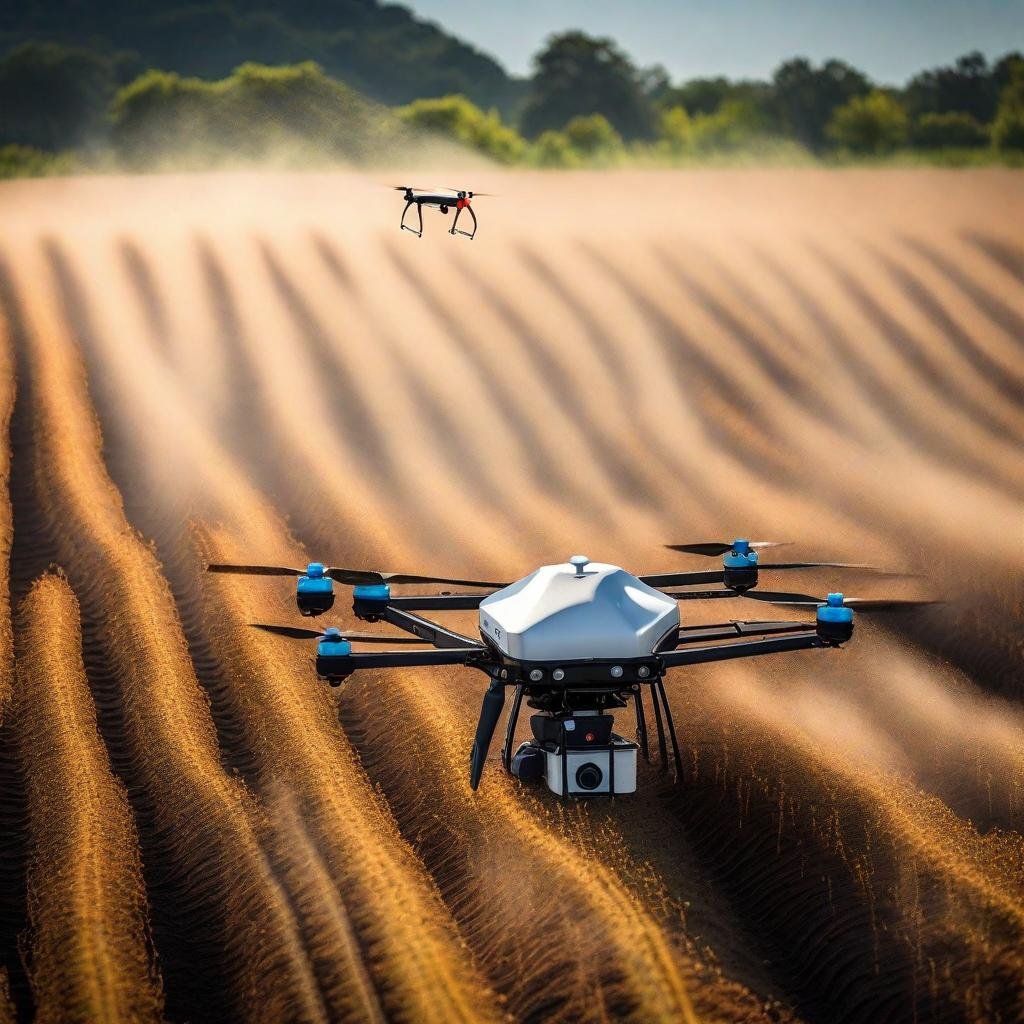
Agriculture has witnessed a remarkable transformation with the integration of cutting- edge technology. One such innovation that has captured the attention of farmers and agronomists alike is the use of drones for both seeds sowing and pesticide spraying. This groundbreaking approach has the potential to revolutionize modern agriculture by increasing efficiency, reducing costs, and minimizing environmental impacts.
Seeds sowing via drones offers precise, automated, and rapid deployment, ensuring uniform crop distribution and optimizing the utilization of resources. This method not only saves time but also minimizes manual labor, making it a more suitable for large-scale farming. Also able to capture different datasets for analysis crop health using different sensors mounted on drone while flying.
On the other hand, using drones to spray pesticides ensures targeted and controlled application, reducing the overuse of chemicals and the risk of harming beneficial organisms. This approach promotes sustainable farming practices by minimizing the environmental footprint and safeguarding the health of both crops and ecosystems.
Program Outcome :
- Proficiency in Drone Operation : Participants should become proficient in operating drones, including understanding the controls, safety protocols, and troubleshooting common
- Seed Sowing Skills : Participants will acquire the skills necessary for accurate and efficient seed sowing using drones, which can lead to improved crop yields.
- Pesticide Spraying Skills : Participants should develop expertise in pesticide application through drones, focusing on precision, uniform coverage, and safety
- Data Collection : The course may cover the collection of data during drone operations, such as monitoring crop health.
- Safety Protocols : Participants should be well-versed in safety guidelines, including regulations, avoiding hazards, and minimizing
- Regulatory Compliance : Understanding the legal and regulatory aspects of using drones in agriculture, including compliance with aviation and environmental laws is essential.
- Agricultural Knowledge : Participants should gain a solid understanding of agricultural practices, especially related to seeding and pesticide application, as these are critical components of modern agriculture.
- Environmental Awareness : Course may emphasize the environmental impact of drone-based agriculture, including reducing chemical usage and minimizing ecological harm.
- Efficiency and Cost Reduction : Graduates should be able to demonstrate how drone technology can make agriculture more efficient, cost-effective, and sustainable.
- Problem-Solving Skills : The program should equip individuals with the ability to troubleshoot and solve problems that may arise during drone operations.
- Practical Experience: Includes hands-on training, participants should gain real-world experience in operating drones.
Course Content
Basics of drone and its importance of sowing and seeding (2 Hours)
-
Different sensors and payloads for data collection.
00:00 -
Categorization of drones based on weight, purpose, and capabilities.
00:00 -
Understanding and managing battery safety life of drone when we do seeding and spraying.
00:00 -
Types of drones suitable for seed sowing and pesticide spraying with their payloads.
00:00 -
Nozzle selection and calibration.
00:00
Basic drone functionality with on field training with trainer with payload (3 Hours)
Basics of GPS & GNSS technology and operation of drone (1 Hours)
Seed Sowing and Spraying with different scenarios (16 Hours)
Student Ratings & Reviews